
Xiaomi’s latest flagship device represents a shift in priorities. Xiaomi 17 Ultra isn’t chasing gimmicks or experimental features, it’s delivering what users actually need. After extensive testing, device stands out for its practical improvements across battery performance, imaging capabilities, and everyday usability.
The company has spent years building its reputation around photography-first devices. Now, with the 17 Ultra, they’ve balanced that camera expertise with genuine smartphone functionality. It’s still a camera that makes calls, but it’s finally a phone you’d want to use all day.
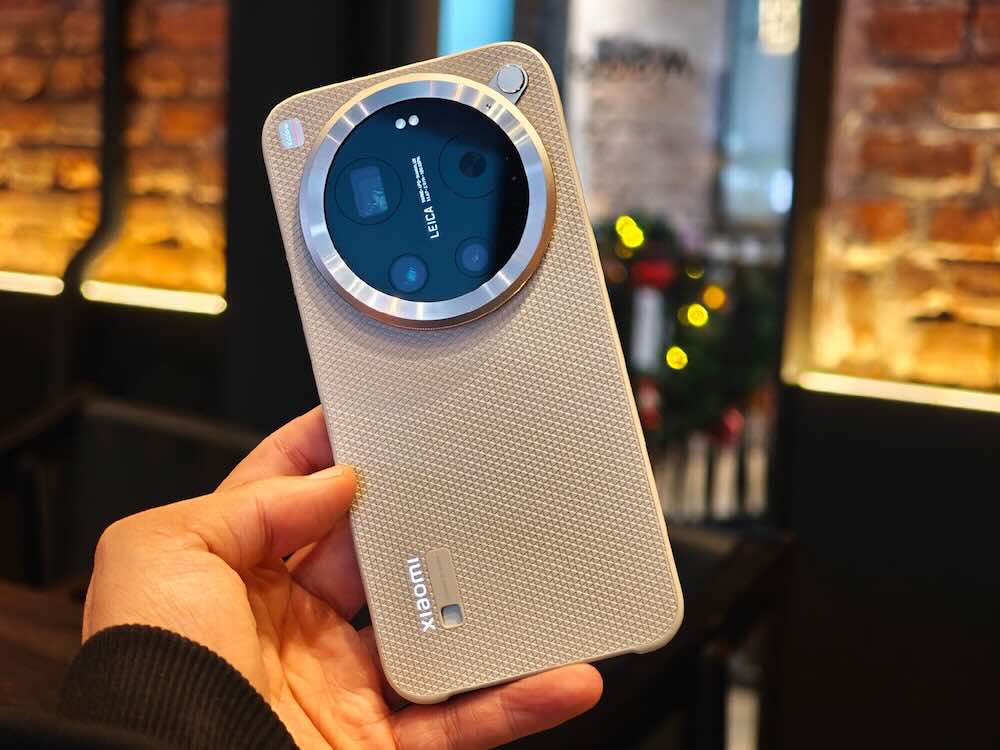
Cam phone follows current flagship conventions: flat display, flat sides, thin bezels, and that signature circular camera module. Nothing revolutionary here, yet the execution matters. Metal frame uses circular volume buttons and an elongated power button that mirror the camera ring’s shape, a subtle touch that creates visual cohesion.
What surprised me was the in-hand experience. Despite housing a massive 6,800 mAh battery, 17 Ultra feels lighter than previous models. Rounded corners sit naturally in your palm without causing fatigue during extended use. When a phone this spec-heavy doesn’t feel like a brick, that’s engineering worth noting.
Battery anxiety? Gone. 6,800 mAh cell paired with 90W fast charging eliminates those mid-day charging runs. Display isn’t a 2K panel, but that’s a calculated decision. Trade-off favors endurance over pixel density, a choice that makes sense for a device marketed on all-day reliability.
Screen feels easier on the eyes during extended use, though I’d attribute that more to display tuning than resolution. For most users, the difference between 1080p and 2K at this screen size remains minimal in daily tasks.
Here’s where the Xiaomi 17 Ultra justifies its name. Main camera uses a 1-inch Light Hunter 1050L sensor, continuing the company’s tradition of producing industry-leading primary shooters. But the real story is the 200-megapixel periscope telephoto.
Telephoto supports continuous optical zoom from 3.2x to 4.3x. By physically shifting lens elements, it captures images at 75mm, 85mm, 90mm, and 100mm, all optical focal lengths. Classic portrait photography ranges, and having them available through mechanical adjustment rather than digital cropping makes a tangible difference in image quality.

Previous generation telephoto cameras suffered from inconsistent focusing. That’s been addressed. At both 3.2x and 4.3x, camera performs well for portraits and still life work. It even supports telephoto macro photography, a feature that sounds niche but proves useful.
Imaging hardware justifies this device as a productivity tool. I’ve shot product photos with Xiaomi phones for years because their images have depth and texture that casual smartphone cameras miss. 17 Ultra continues that tradition.

Leica-customized version adds the iconic red dot certification, knurled detailing on the mid-frame, and a mechanical zoom ring built into the camera module. Ring allows lens zoom through rotation, mimicking traditional camera operation without adding significant bulk.
Pricing here is strategic. Leica version costs 7,999 yuan—only 500 yuan more than the standard model. For buyers considering the 16GB + 512GB configuration, that’s negligible. Prestige factor alone might justify the upgrade.
Professional Photography Kit
Professional photography kit costs 999 yuan separately or 699 yuan bundled with the phone. It includes a daily-use case and detachable charging grip with three buttons: an exposure dial, shutter button with interchangeable caps, zoom dial, and video record button.
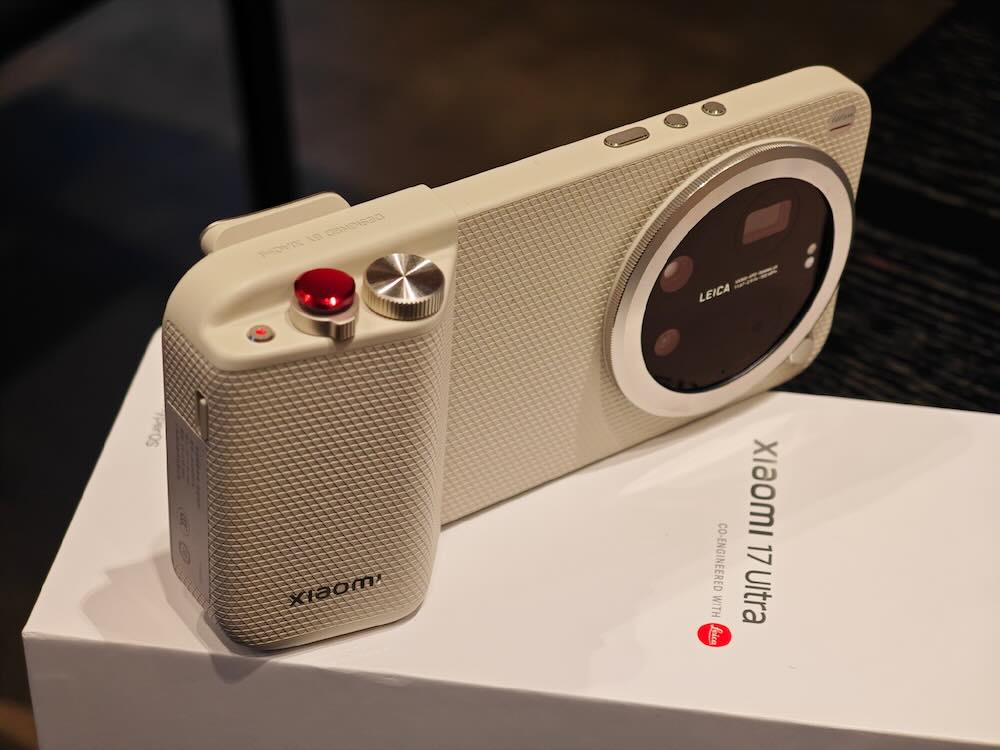
This is the third iteration of this accessory line, and it shows. The ergonomics work for one-handed shooting, providing stability without excessive weight. However, the standard Xiaomi 17 Ultra plus this kit costs roughly the same as the Leica version, which includes the built-in zoom ring.
That creates an interesting decision point for buyers serious about mobile photography.
Final assessment
Xiaomi 17 Ultra succeeds by focusing on fundamentals. Battery life, ergonomics, and imaging performance receive the attention they deserve. Earlier generations leaned heavily into camera identity at the expense of smartphone functionality. New-gen achieves balance, a genuinely capable device where photography represents the current peak of what the company can deliver.
For anyone questioning whether smartphones can truly replace dedicated cameras for serious work, Xiaomi 17 Ultra makes that argument convincingly.
I almost forgot to mention that I bought this phone from NextBuying online store. I’ve purchased from them multiple times, and their service has always been excellent. If you’re ordering from them, don’t forget to use their $10 (code: nextbf10) shipping coupon.

