
The smartphone camera race has entered a new phase. Manufacturers aren’t just cramming in more sensors anymore, they’re actually thinking about where each lens matters most. Xiaomi’s latest flagship demonstrates this shift in strategy, and honestly, it’s been one of the most engaging phones I’ve tested in months.
Xiaomi 17 Ultra by Leica Edition arrives with something few Android flagships have attempted: variable optical zoom in the mid-telephoto range. At 8.29mm thin, it’s the slimmest Ultra device the company has produced, yet it manages to incorporate sophisticated imaging hardware that raises serious questions about how competitors approach camera design.
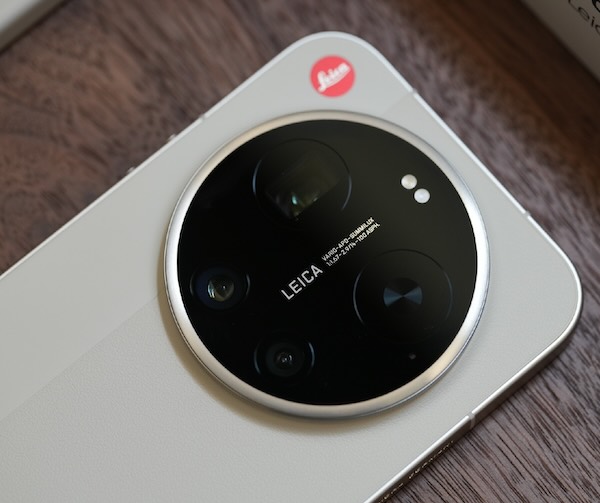
Here’s where things get interesting. Most imaging-focused phones today employ either triple- or quad-camera arrays. Typical configuration includes an ultra-wide lens, a wide-angle primary sensor, and either a single super telephoto or dual telephoto setup spanning mid to ultra-long focal lengths.
When you break down actual usage patterns, smartphone cameras essentially operate in three segments: ultra-wide, wide-angle, and mid-telephoto. Ultra-wide gets used infrequently. Main camera already handles wide-angle duties. Leaves mid-telephoto as the obvious candidate for optical zoom implementation.
A periscope-style mid-telephoto lens naturally covers the 75mm–135mm range, exactly where photographers spend most of their time shooting. From a practical standpoint, a 70mm–200mm mid-telephoto zoom would hit the sweet spot for everyday photography.
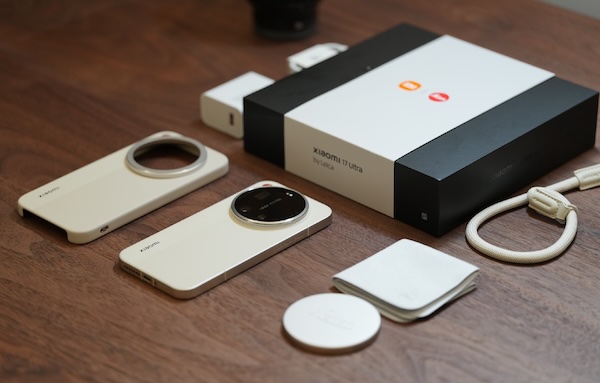
Xiaomi paired a 200MP sensor with a 75mm–100mm optical zoom range in the Xiaomi 17 Ultra Leica edition, maintaining full resolution across the entire span. Given how well modern sensors handle 2× digital zoom, this effectively creates a high-resolution mid-telephoto solution covering the most frequently used focal lengths.
Testing identical scenes with both the iPhone 17 Pro Max and Xiaomi’s flagship revealed significant differences. In bright daylight and low-light conditions alike, the gap became apparent the moment I switched to mid-telephoto range.

iPhone 17 Pro Max loses substantial fine detail in this range. Meanwhile, Xiaomi 17 Ultra Leica edition retains clear wood grain and surface texture, with depth that remains impressively intact. This is where variable optical zoom delivers tangible benefits—focused performance in the mid-range with image quality that clearly surpasses its rival.
Between 75mm and 100mm, every focal length delivers full-resolution, uncropped images. The 200MP sensor gets pushed to its limit, and the results speak for themselves. No digital zoom artifacts, no quality compromises—just clean, detailed captures across the entire range.

That said, there’s a frustrating issue with the zoom ring itself. Design choice here is baffling. Ring triggers far too easily during normal handling. Your fingers naturally rest just below the camera module, and even slight contact causes vibration. Restricting haptic feedback to camera mode would solve this immediately.
The zoom ring also feels loose. There’s an audible rattling when the phone moves, and it’s unclear whether the noise originates from the lens module or the ring mechanism. It’s a rare misstep in an otherwise well-engineered device.
Flat display, large rounded corners, nearly invisible bezels—the screen-to-body ratio feels maximized at first glance. Represents the right direction for hardware design, and Xiaomi took the lead here. When I discovered the device supports true optical zoom, the decision made complete sense within this broader design philosophy.
Real innovation isn’t just including optical zoom, it’s placing it exactly where photographers need it most. Mid-telephoto range sees constant use, and having variable optical coverage there transforms how you approach smartphone photography. No more choosing between fixed focal lengths or accepting digital zoom compromises.
Looks like Xiaomi’s mid-range optical approach really zoomed past the competition.

