
DJI’s latest compact camera, Pocket 4, has officially launched in China, it’s priced from RMB 2,999. For a device that fits in your palm, spec sheet reads more like a professional cinema rig than a pocket camera. From a 1-inch sensor to 4K at 240fps, DJI isn’t just iterating here — it’s repositioning what a compact camera can realistically deliver.
The imaging hardware is, frankly, the most compelling part of the DJI Pocket 4. A new 1-inch CMOS sensor brings up to 14 stops of dynamic range alongside 10-bit D-Log color, which means stronger HDR performance and significantly better low-light output. That’s meaningful for creators who’ve historically had to choose between portability and image quality.
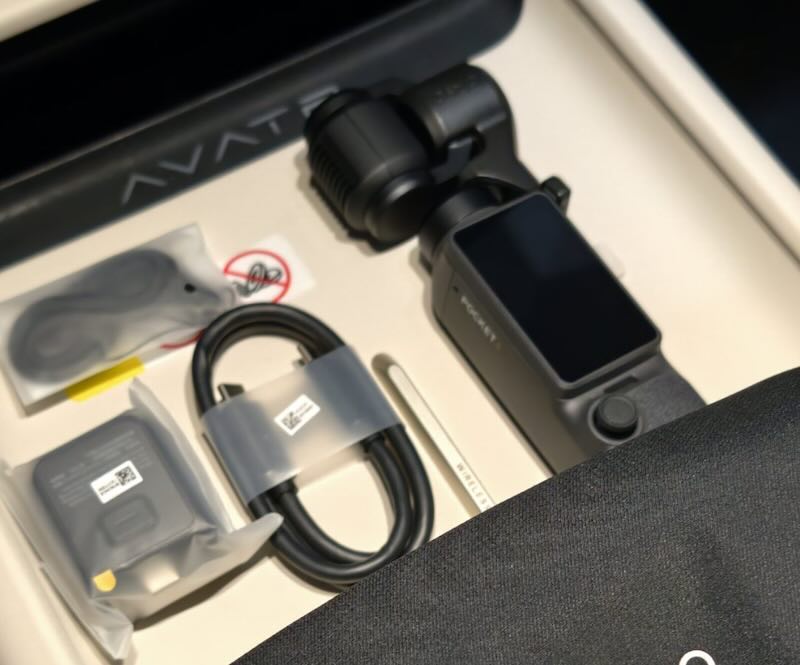
Built-in storage sits at 107GB, with TF card support up to 1TB, DJI is quoting transfer speeds of up to 800MB/s, placing it squarely in USB 3.2 Gen2 territory. Worth noting, though: real-world Windows users may hit bottlenecks due to MTP protocol limitations. Pocket 4 ships with a USB 3.1 cable, reportedly a 5A E-Marker variant, detail that deserves recognition, given that many flagship smartphones still bundle USB 2.0 cables.
Supporting 4K at 240fps is no small addition for a device this size. DJI Pocket 4 also introduces 2× lossless zoom, which improves framing flexibility without the image degradation typically associated with digital zoom. Together, these features push the Pocket 4 into territory that would’ve required a mirrorless body just a few years ago.
Hardware itself has been thoughtfully refined. A dedicated zoom dial and a customizable shortcut button now make one-handed operation more intuitive — a practical upgrade for solo creators shooting on the move.
Tracking performance has also received attention. Pocket 4 now supports multi-subject, pet, and object tracking, with improved focus stability across all three modes. For vloggers and content creators working without a crew, that kind of reliability matters.
Perhaps most strategically, DJI has introduced a rear pogo-pin connector that opens the door to a growing accessory ecosystem — think fill lights and lens attachments designed to extend the camera’s low-light and creative shooting capabilities. It’s a platform play as much as a product launch, and it suggests DJI is building toward something broader.

