
Smartphone cameras have come a long way. Today’s flagship devices can shoot stunning portraits, handle low-light scenes with remarkable competence, and even rival dedicated cameras in casual shooting scenarios. But there’s one area where phones still consistently fall short: long-range telephoto photography. And while manufacturers keep iterating on sensor size and computational tricks, a surprisingly practical solution has been sitting right under the industry’s nose — teleconverters for smartphones.
The idea might feel counterintuitive at first. Smartphones are supposed to be self-contained, streamlined devices. Clipping something onto them feels like admitting defeat. But there’s a strong case to be made that teleconverters aren’t a workaround — they’re a legitimate category upgrade.
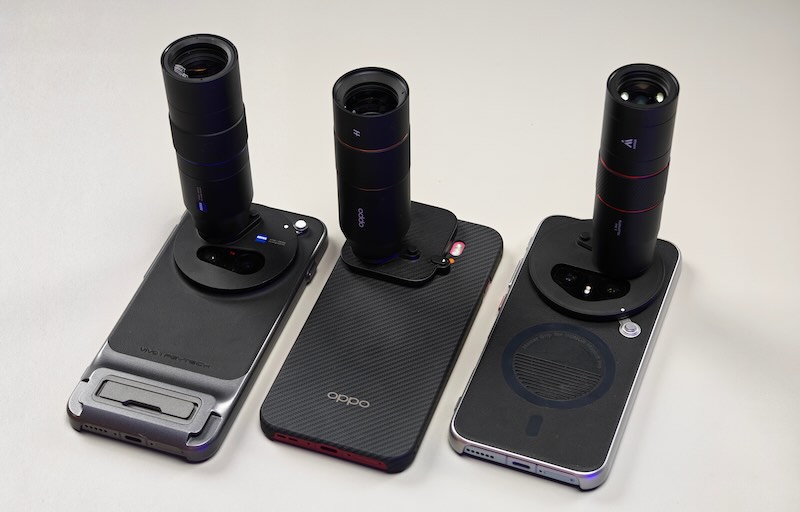
It’s no secret that the telephoto capabilities of even the best smartphones today struggle to keep pace with their wide and standard lens counterparts. Physics is the culprit. Longer focal lengths demand more light-gathering capacity and more physical space — neither of which a phone chassis easily accommodates.
Current flagship devices perform admirably up to roughly the 200mm equivalent range. Beyond that, quality tends to degrade quickly. Digital zoom compounds the problem further, and no amount of AI processing has fully closed that gap.
That’s where teleconverters for smartphones enter the conversation. Rather than replacing the phone’s native optics, a teleconverter extends the focal length optically, preserving far more detail than digital zoom ever could. The result is a noticeably sharper, more true-to-life image at extreme distances — something that matters enormously in specific shooting contexts.
Not every accessory justifies its own existence. Clip-on wide-angle lenses, novelty fish-eye attachments, and budget macro rings often collect dust after the first week. Teleconverters, however, are situationally indispensable — and that distinction matters.
Consider live concerts. You’ve already spent a significant amount on the ticket. The venue is packed. Your phone’s native lens gets you a decent wide shot of the stage, but nothing that captures the energy close up. A telephoto converter, small enough to carry in a jacket pocket, suddenly gives you a front-row perspective from the upper tier. That’s a genuine, tangible upgrade — not a novelty.
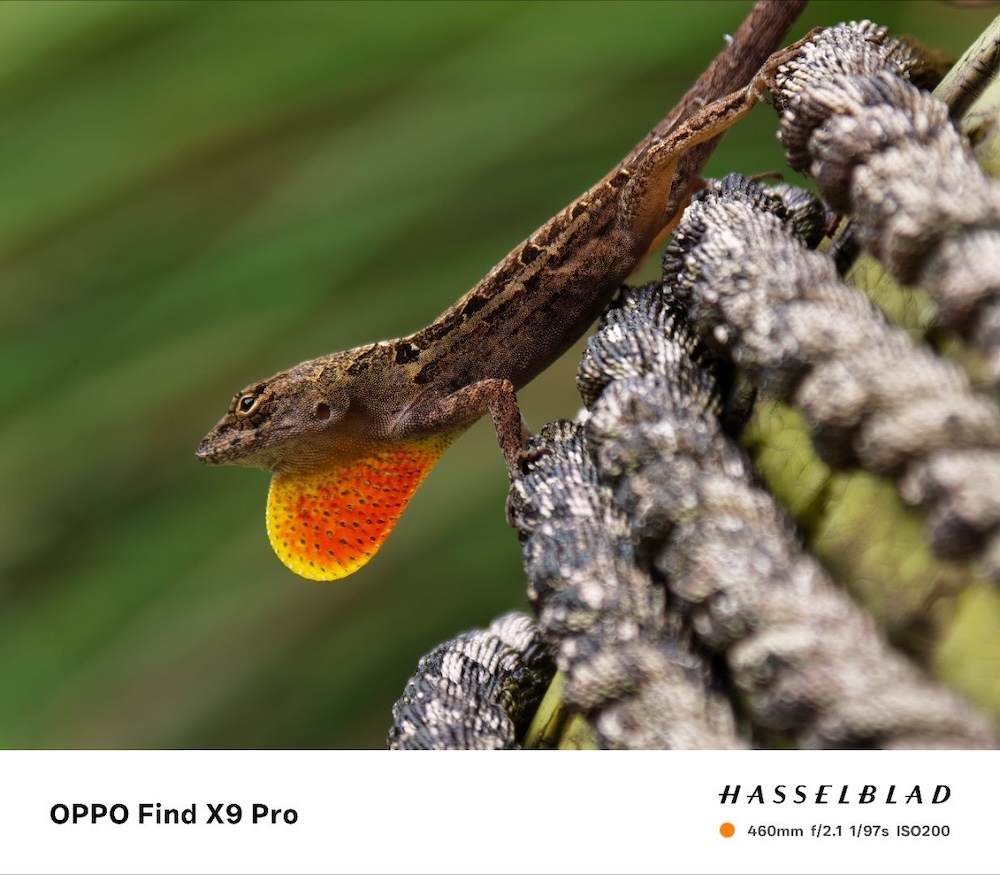
Bird photography presents an equally compelling use case. Wildlife doesn’t cooperate with proximity. Same logic applies to sporting events, safari travel, or even architectural photography where getting physically closer simply isn’t an option. In each of these scenarios, a teleconverter for smartphones transitions from “nice to have” to “the only way to get the shot.”
Here’s where the conversation shifts from consumer utility to industry strategy, it’s worth paying close attention.
Vivo has already recognized this opportunity. The company has iterated through three generations of telephoto converters, building a proprietary mount system that works across its device lineup. That’s not a coincidence — it’s a calculated ecosystem play.
Once a user invests in multiple lenses — say a 200mm unit followed by a 400mm — switching to a competing smartphone brand becomes a far less attractive proposition. The mount system creates genuine lock-in. And unlike the artificial lock-in of app ecosystems or subscription services, this one is built on real value. User stays because the tools are genuinely useful, not because leaving is technically difficult.
This mirrors decades of dynamics in the traditional camera industry. Canon, Nikon, and Sony have all benefited enormously from mount loyalty. The moment a photographer owns two or three lenses, they’re effectively committed. The smartphone industry hasn’t fully replicated this dynamic yet — but teleconverters for smartphones offer a credible path to doing exactly that.
Risk for other manufacturers is a half-committed approach. Launching a single accessory lens without a coherent mount system or long-term product roadmap wastes the opportunity entirely. Users won’t invest in an ecosystem that doesn’t signal durability.
Playbook is relatively clear: develop a robust, standardized mount, offer converters across a meaningful focal length range, keep pricing accessible at entry level, and — critically — don’t change the mount between device generations. That last point can’t be overstated. Mount consistency is the foundation of ecosystem trust.
There’s also room to expand beyond telephoto. Macro converters, specialty portrait lenses, even experimental super-telephoto options in the 1000mm-plus range — all of these become viable once a mount infrastructure is in place. The creative ceiling rises considerably.
Users most drawn to teleconverters for smartphones tend to be exactly the kind of high-engagement consumers manufacturers want to attract and retain. They spend more, care more about image quality, and are more likely to upgrade devices within the same ecosystem.
It turns out the smartest move in mobile photography might just be knowing when to go the extra focal length.

