
Smartphone camera hardware rarely surprises anyone anymore. Software behavior does. After shooting a handful of casual street photos, I found that the cloud-enhanced capture mode on this phone changed my expectations more than any sensor size or lens count could. Results looked closer to a dedicated camera than a heavily processed phone image. That’s a notable shift, and it deserves a closer look.
This article covers how the capture mode works, why two specific focal lengths matter for street work, and where the results stand out. Xiaomi 18 Pro Max treats the moment you press the shutter differently from most phones, and the difference shows in the images.
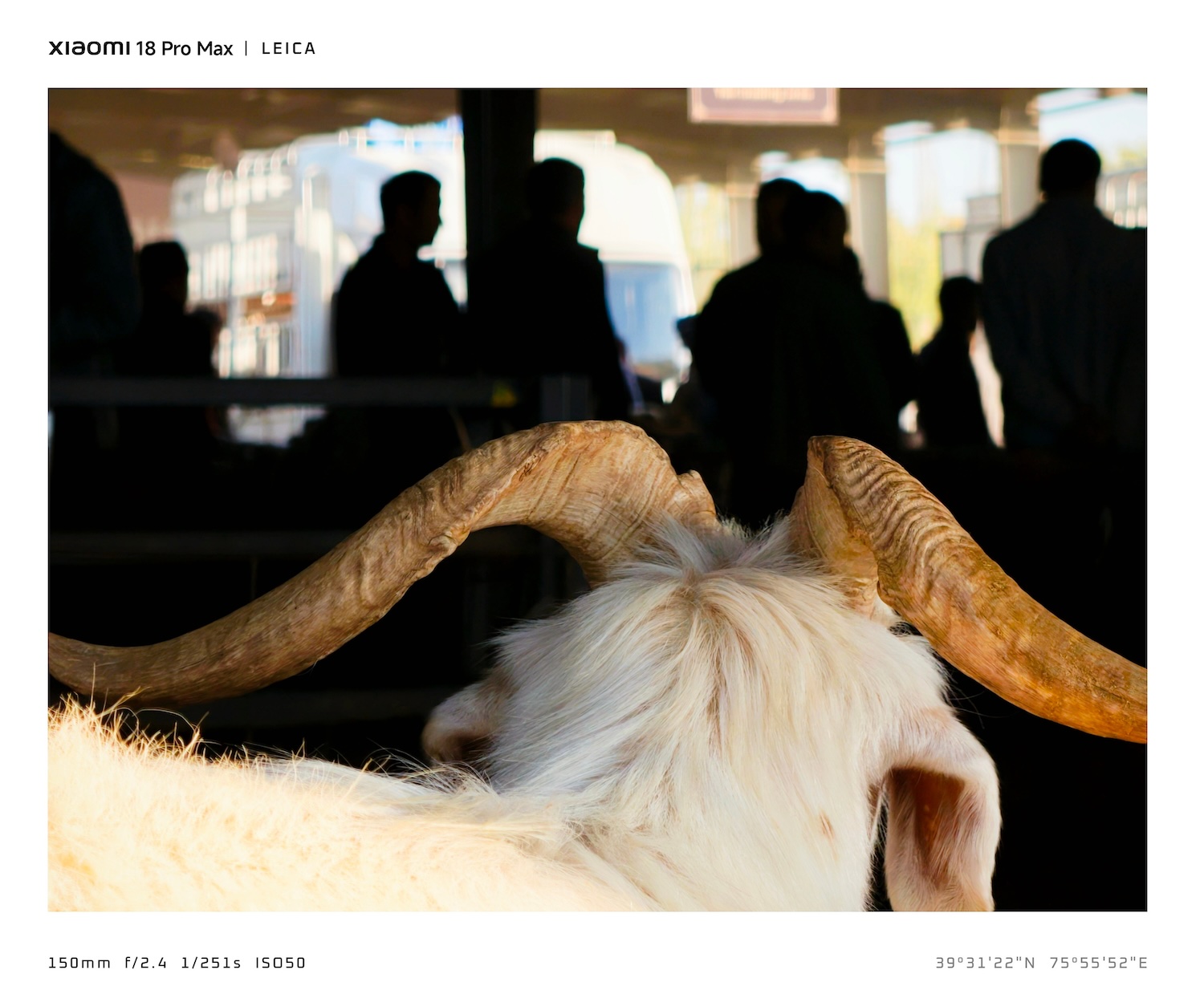
Feature isn’t a filter. A filter applies a fixed adjustment after the fact, while this mode changes what the camera records in the first place. Xiaomi 18 series collects motion data from the moments immediately before and after you press the shutter. It then builds a still image that carries a subtle sense of movement.
That image doesn’t stay on the device. 18 Pro Max sends it to an AI model in the cloud, which refines the tonal rendering while preserving fine detail. Processing happens in two stages, so the final result reflects both the original capture and the model’s adjustments.
Street scenes rarely hold still. Pedestrians cross the frame, trams pass, and light shifts within seconds. A conventional snapshot freezes one instant and often loses the activity around it. By recording motion on both sides of the shutter press, the phone gives its processing model more context about the scene.
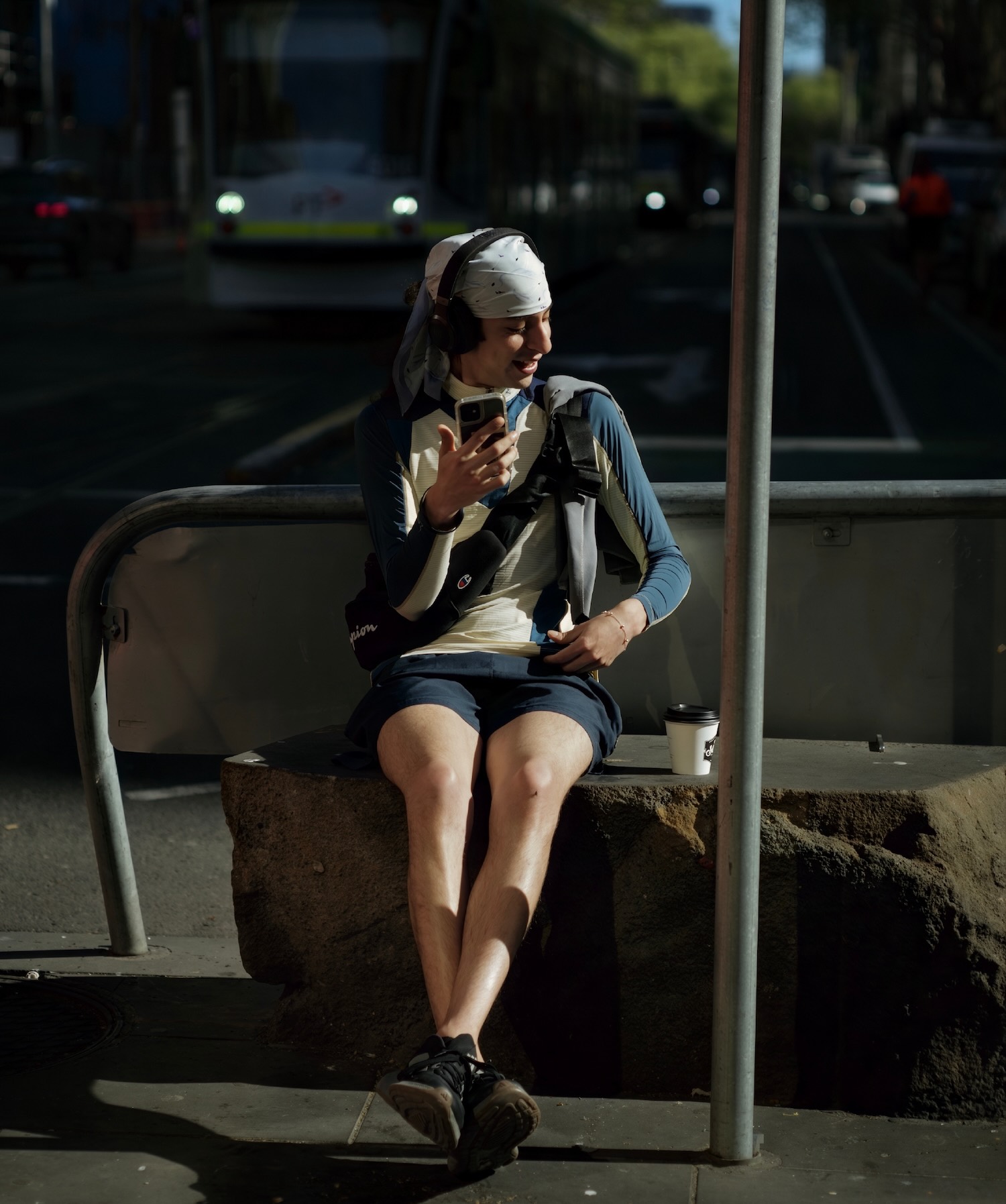
Consequently, the output feels less static. Motion effect is subtle, which is the right choice. An exaggerated effect would look artificial, and this one doesn’t.
Cloud processing lets the phone use far more computing power than the device could manage alone. Model refines tone, which affects how highlights, shadows, and midtones relate to each other. It also keeps fine detail intact, a common weak point in aggressive processing.
Tradeoff is dependence on a network connection. Without one, you won’t get the same enhancement, so plan accordingly if you shoot in areas with weak coverage.
Cam phone offers 35mm and 75mm equivalents, and they suit different situations. Street photographers have used both perspectives for decades, so the choice isn’t arbitrary. Each one answers a different compositional question, and having both available means you rarely need to change your position to fit the scene.
35mm view is close to the classic documentary perspective. It keeps the surrounding environment in the frame, which matters when a building, a sign, or a crowd explains the subject. If you want viewers to understand where a moment happened, this focal length does the work.
It also encourages you to move closer to your subject. That can feel uncomfortable at first, but the resulting images usually show a stronger connection between the photographer and the scene.
75mm view compresses distance and separates a subject from its background. Manufacturer calls it a “golden portrait focal length,” and the label fits. You can photograph someone from a comfortable distance without disrupting the moment, and the background falls away more smoothly.
Telephoto camera uses a 200MP sensor, which gives you room to crop. Cropping usually costs detail, yet this sensor retains a high level of it. You can reframe after the fact without an obvious drop in quality.
Phrase “pocket camera” has circulated among photography enthusiasts for some time, and this series supports it. Xiaomi has partnered with a well-known German optics company for years, and both the main and telephoto cameras use 200MP sensors. Partnership shows most clearly in this generation’s color handling and in how sharp areas transition into out-of-focus ones.
Those two traits matter more than resolution. Heavy computational photography often produces the same flat, uniformly sharp appearance regardless of the scene. Here, results lean toward an optical character instead. Colors look restrained, and the falloff into blur looks gradual rather than cut out.
Difference is easiest to notice in well-lit street scenes with moving subjects. Good light gives the processing model clean data to work with, and movement gives the motion capture something to record. Together, they produce images that show what a scene looked like and hint at how it felt.
I tested both focal lengths around several city landmarks, which covers two of the most common approaches to street composition. Wide view captured architecture and crowds, whereas the telephoto view isolated individual pedestrians. Neither required manual adjustment.
Low light is a different matter, and results there depend more on the scene. Still, the feature doesn’t try to fix everything. It works best when conditions cooperate, and that’s a reasonable limit.
Most people don’t carry a dedicated camera on daily walks. They carry a phone. When that phone changes the shooting workflow instead of adding another effect, casual photos improve without extra effort. You don’t need to learn new settings or edit afterward.
Photography enthusiasts get value too. 2 focal lengths, the cropping latitude, and the tonal refinement give them creative control that earlier phones lacked. 18 series handles the parts of the process that slow people down, so more of your attention goes to the scene itself.
Street photography rarely rewards hesitation, and with Xiaomi 18 Pro Max in your pocket, available now at NextBuying.

